Creative Cafe Event Ideas to Bring in More Guests
A busy cafe rarely runs on coffee alone. It runs on habit, atmosphere, and the quiet momentum that builds when people feel they have a reason to return. Good drinks and friendly service matter, of course, but they are only part of the picture. If a cafe wants to stand out in a crowded market, events can do what discounts and loyalty cards often cannot. They give the space a pulse.
The most successful cafe events are not random entertainment dropped into the calendar. They fit the room, the neighborhood, the staff, and the type of guests you want to attract. A small breakfast spot near offices will not program the same way as a cozy independent cafe beside a university or a family-friendly brunch business in a residential area. That is where many owners go wrong. They chase ideas that look lively on social media but do not match their real traffic patterns or operational strengths.
When events work, they do three things at once. They bring in new people, give regulars a fresh reason to visit, and turn the cafe into a place with a story. That story matters. People recommend venues more easily when there is something specific to mention. “They make great flat whites” helps, but “they host Sunday vinyl mornings” gives someone a real hook.
Start with the kind of crowd you actually want
Before discussing specific event concepts, it helps to get practical about what your cafe needs. Some events drive volume. Others build loyalty. A few do both, but most lean one way or the other.
If weekday mornings are already full, you may not need a promotion that brings in more people at 8:30 a.m. You may need something that strengthens slower periods, such as late afternoons, early evenings, or Sundays. Likewise, if your average transaction value is low, an event that keeps people seated for three hours on one cappuccino may create a full room without improving the business. Atmosphere is not enough if the till stays quiet.
I have seen cafes fill every table with a poetry reading and still lose money because they did not adjust the menu, staffing, or booking format. I have also seen modest events, Cafe twenty guests for a specialty dessert tasting, outperform packed nights because each guest spent well and left with a strong impression. The right question is not simply, “How do we get more guests?” It is, “What kind of visit do we want to create, and when?”
This framing leads to better decisions. It helps you choose events that fit your space instead of forcing your space to support an idea that belongs somewhere else.
Events that feel native to a cafe
The best cafe events are extensions of what a cafe already does well: comfort, conversation, flavor, and community. Guests should feel that the event belongs there. If it feels imported, awkward, or overproduced, attendance might spike once and then fade.
Tasting nights that make people notice what they are drinking
Coffee tastings are one of the easiest ways to create an event without changing the identity of the business. They work especially well for cafes that already care about sourcing, brewing methods, or seasonal offerings. The point is not to lecture people. The point is to turn a normal purchase into an experience.
A simple tasting can compare two or three beans prepared in different ways. A more interactive version might pair filter coffee with pastries, chocolate, or even cheeses. Guests do not need expert language to enjoy these sessions. In fact, they usually respond better when staff describe flavor in plain terms. “This one tastes brighter and a little citrusy” lands better than a speech full of technical notes.
These events can also support retail sales. Guests who try a bean they love are far more likely to buy a bag to take home. In a well-run setup, the event becomes both a revenue stream and a retail driver. The operational key is capacity. Keep numbers manageable. A room of twelve to twenty can feel intimate and premium. A room of forty often turns into a queue.
Quiet creative gatherings with a defined purpose
Not every event needs to be loud to be effective. Some of the strongest repeat traffic comes from low-key gatherings that make people feel productive, seen, or connected. Think writing hours, sketchbook meetups, journaling circles, or language exchange mornings.
These work because they align with how many people already use a cafe. They come to think, work, read, or meet one other person. An event that supports that behavior feels natural rather than intrusive. The secret is structure. “Come and be creative” is too vague. “Thursday morning writing table, ninety minutes, no pressure, one prompt to get started” gives people enough shape to commit.
A neighborhood cafe I know started a monthly postcard-writing hour just before the winter holidays. It was almost absurdly simple: tables stocked with postcards, pens, stamps for sale at the counter, and a seasonal drink special. The first event drew eleven people. By the third month, it was full. People stayed, spent, and brought friends because the experience was easy to explain and easy to join.
Live music, used carefully
Music can help a cafe feel warm and memorable, but it can also overwhelm the space if handled badly. The word “carefully” matters here. A small acoustic performance, jazz duo, or stripped-back singer-songwriter set often suits a cafe far better than anything that feels like a bar or club. Guests still want to talk, order, and relax.
Timing matters as much as genre. Early evening sets often work better than late-night programming, especially in neighborhoods where people head home after dinner. Weekend brunch music can be pleasant if it stays soft enough to preserve conversation. If the machine grinder drowns out the guitarist, or the speakers make ordering difficult, the event is not enhancing the cafe. It is competing with it.
Compensation also deserves thought. Too many businesses expect musicians to perform for “exposure.” A modest fixed fee, a ticketed format, or a minimum guaranteed spend is a more professional approach. Guests notice when creative work is respected.
Themed events people will actually attend
Many themed events fail because they sound clever in a planning meeting but ask too much from the guest. People are busy. They say yes to events that are simple to grasp and easy to join. A good theme creates curiosity without requiring homework.
Here are a few formats that tend to travel well across different kinds of cafe businesses:
- seasonal menu launch evenings with mini tastings and limited-time drinks
- local maker pop-ups featuring ceramics, candles, prints, or baked goods
- book-related events such as author chats, silent reading hours, or genre nights
- community skill sessions, like latte art basics or home brewing workshops
- family-friendly mornings built around storytelling, crafts, or mini baking activities
Each of these ideas works best when narrowed. “Local maker market” is broad. “Saturday ceramic mug pop-up with two local potters and a house blend pairing” is clearer. “Book club” is common. “Mystery novel night with one featured title and a themed dessert” gives the event more character.
The common thread is relevance. A cafe is already a place where people browse, talk, sip, and linger. Events should build on those instincts, not fight them.
Build one signature event before creating ten average ones
Owners often feel pressure to keep the calendar packed. In practice, one excellent recurring event is worth more than a scattershot month of under-promoted experiments. Signature events build memory. They become part of your cafe’s identity.
That signature can take different forms. Some cafes become known for a monthly supper club. Others for a Sunday jazz morning, a Friday tasting flight, or a quarterly neighborhood night that spotlights local artists. What matters is consistency. If guests know that the first Wednesday of the month always brings a particular experience, attendance gets easier to grow.
This is especially true for smaller businesses with lean teams. Event production takes real labor. There is planning, setup, staff briefing, purchasing, marketing, and cleanup. It is better to give your energy to one event you can execute beautifully than three events that leave staff exhausted and guests underwhelmed.
I usually advise testing an idea three times before judging it too quickly. The first run exposes operational issues. The second benefits from small improvements. By the third, people start trusting that the event is real and recurring. One weak turnout does not always mean the concept failed. Sometimes the promotion was unclear, the date was wrong, or regulars simply had not yet built the habit.
Practical ideas for turning attendance into sales
A full room looks encouraging, but event success has to translate into sustainable business. That does not mean making everything transactional or aggressive. It means designing the offer with care.
One reliable approach is to create a limited event menu. Guests like having something distinctive to order, and a short special menu helps the kitchen and bar stay efficient. A themed drink, a tasting board, or a pastry available only during the event creates urgency without complexity. It also gives your marketing something visual and specific.
Pricing requires judgment. Free events lower barriers and can work well for community-building, especially when the goal is first-time visits. Ticketed events signal value and improve planning. A middle ground often works best: reserve a seat with a small fee that includes one drink, or offer a package price that bundles entry with food.
There are a few principles that tend to protect margins and improve guest experience:
- tie the event to a defined menu offer, so guests know what to buy and staff know what to prepare
- set realistic time windows, which keeps table turnover predictable and prevents drift
- require reservations when space is limited, even for free events
- brief staff on the flow, talking points, and likely questions before doors open
- photograph the event well, because the next booking often depends on proof that the first one felt lively
These are not glamorous details, but they are often the difference between an event that drains the team and one that becomes a repeatable asset.
Partnerships can expand your audience fast
One of the smartest ways to bring in more guests is to borrow trust from someone your target audience already follows. This is where partnerships matter. A florist, illustrator, fitness instructor, bookstore owner, baker, or local musician may all bring a different crowd through your doors.
The partnership has to benefit both sides. If your cafe invites a local expert to host a workshop, be clear about revenue sharing, promotion, and responsibilities. Who handles tickets? Who supplies materials? Who communicates with guests? Ambiguity creates stress later.
The upside can be substantial. A candle-making session or watercolor class can introduce your cafe to people who have never visited before. If the environment is good and the service is smooth, a percentage of those guests return independently. That is the real value. The event itself matters, but the conversion to future visits matters more.
It also helps to choose collaborators whose brand feels compatible with your space. A calm, design-forward cafe pairs better with a ceramics artist or a thoughtful book event than with a high-energy sales-driven activation. Guests feel brand mismatch immediately, even if they cannot quite name it.
Timing, layout, and sound make or break the experience
There is a tendency to think of events as marketing first and operations second. In reality, guests judge them the other way around. They remember whether the room was cramped, whether the queue moved, whether they could hear, whether they found a seat, whether staff seemed calm.
Layout deserves more attention than most owners give it. If your cafe usually seats thirty, do not assume an event can comfortably hold thirty standing plus a performer plus display tables. Test the flow physically. Walk the route from till to pickup point. Consider where bags, coats, prams, and takeaway orders will go. If regular customers still need to use the cafe during the event, the design becomes even more important.
Sound is another common weak point. Even a small event can become stressful if the room turns noisy and staff must shout orders. Soft furnishings, smaller group sizes, and restrained amplification help. In intimate rooms, less production often creates a stronger experience.
There is also the issue of neighbors. A cafe in a mixed residential area needs to be more cautious about evening noise, outdoor lines, and closing times. A packed event that annoys the building or surrounding shops can create problems that outlast the revenue from one night.
Promotion that feels personal works better than generic blasts
Most cafe events do not fail because the concept is bad. They fail because the promotion is vague, late, or forgettable. “Live event this Friday” is not enough. Guests need to know what it is, who it is for, how long it lasts, what it costs, and why it might be enjoyable.
Specificity sells. A post that says “Saturday, 6 to 7:30 p.m., coffee and dessert pairing, eight seats left, includes three pours and three pairings” performs better than a polished but empty graphic. The same rule applies in-store. Counter cards, blackboard signage, and a brief mention from staff can drive more attendance than social media alone.
Repeat mention matters too. Most people do not act the first time they see an event announcement. They notice, forget, see it again, and then decide. A practical campaign might start ten to fourteen days out, intensify in the final three days, and continue in person at the register throughout.
Regulars are often your best first audience. If staff can say, naturally, “We’re doing our tasting night again next Thursday if you’d like a seat,” bookings build through trust rather than hard selling. That personal nudge is especially effective in a cafe setting, where relationships at the counter count for a lot.
What to measure after the chairs are stacked
Once the event ends, the temptation is to move straight into the next service. It is worth pausing for fifteen minutes to review what actually happened. Memory gets fuzzy fast.
Attendance is only one measure. Spend per guest, retail sales, labor cost, no-show rate, and guest feedback all matter. So does mood. Did the event energize the team or strain them? Did regular non-event customers feel displaced? Did the room feel full in a good way or cramped in a frustrating one?
Some of the best indicators are deceptively simple. Did guests ask when the next one would be? Did they photograph the experience voluntarily? Did they bring someone new? Did any partner or participant share the event afterward without being chased? Those are signs that the format has traction.
A short debrief can reveal useful adjustments. Perhaps the start time should move thirty minutes later. Perhaps the menu was too wide. Perhaps twelve seats felt better than twenty. These refinements are where a rough first idea turns into a reliable profit-maker.
A cafe event should deepen the character of the space
The strongest cafe events do not feel like stunts. They feel like a deeper expression of what the business already is. If your cafe is warm, thoughtful, and local, your events should amplify that. If it is playful and family-oriented, the programming should welcome that energy. If it is detail-driven and product-focused, tastings and workshops may feel more authentic than broad entertainment.
Guests are sensitive to authenticity, even if they do not use that word. They return to places that know themselves. A cafe does not need an endless roster of attractions. It needs a handful of experiences that fit so well they seem obvious in hindsight.
That is why the most effective event strategy is rarely the flashiest one. It is the one that respects the rhythm of the room, the capacity of the staff, and the habits of the neighborhood. Get that right, and events stop being occasional marketing tactics. They become part of how people experience the cafe, talk about it, and choose it over somewhere else.
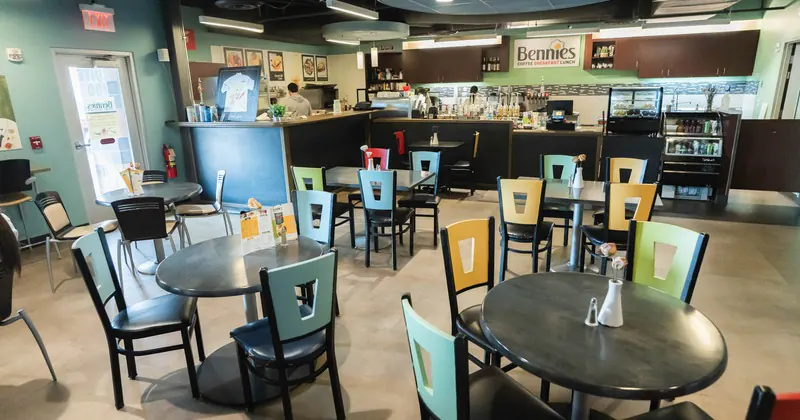
Bennies Cafe
17230 Jackson Creek Pkwy Ste 100, Monument, CO 80132
+1 719-445-0660
FAQ About Cafe
What is considered a café?
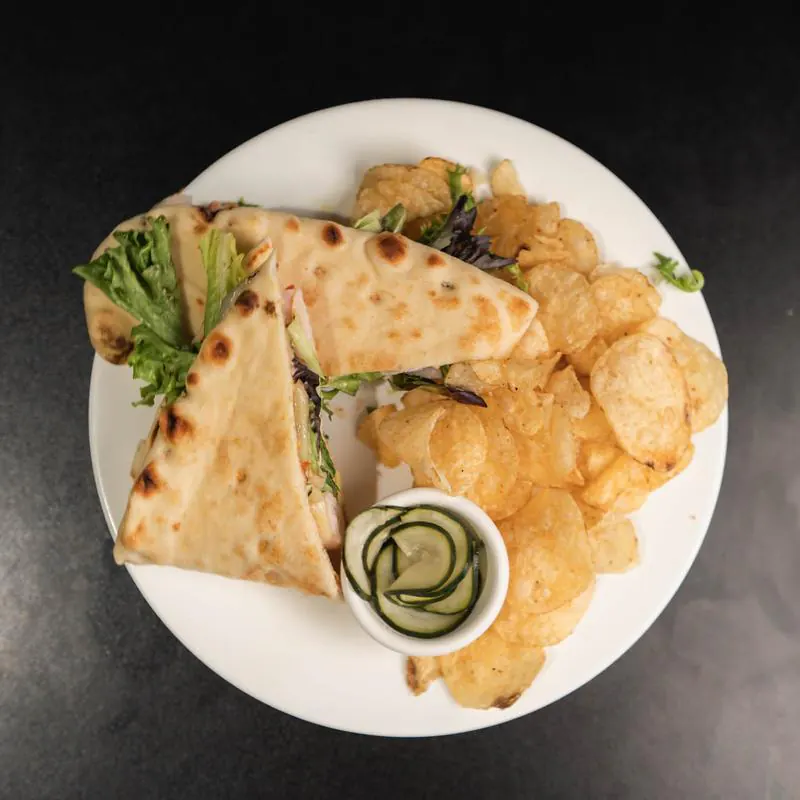
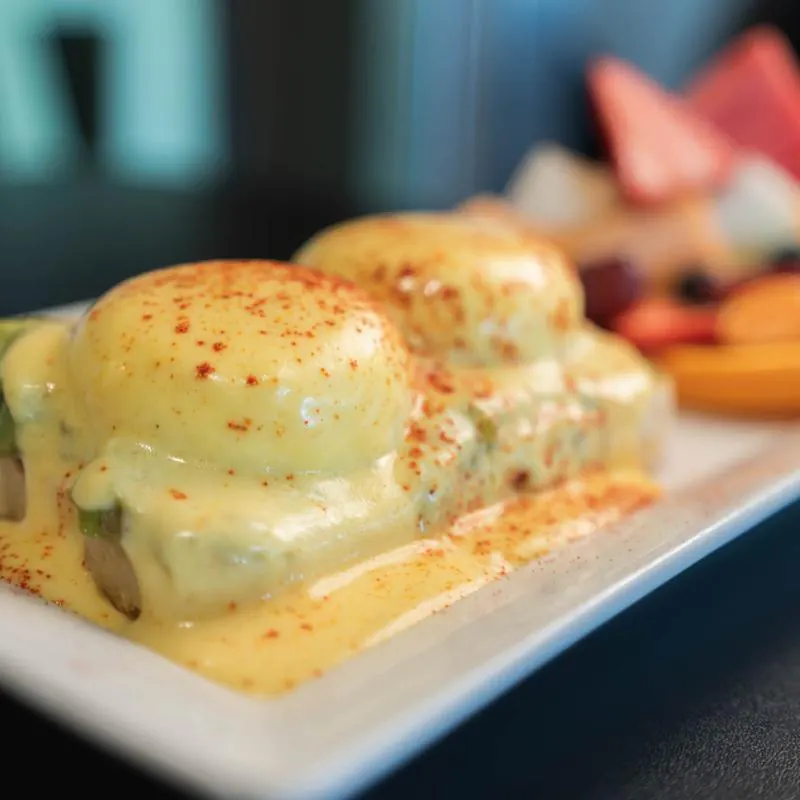
A café is generally an informal place to enjoy refreshments and a meal. Bennies Cafe in Monument serves breakfast and lunch in a counter-service setting, with options including eggs Benedict, sandwiches and crepes. Guests can eat in or arrange pickup.
What is the difference between a coffee shop and a café?
The terms often overlap. A coffee shop usually emphasizes coffee and other drinks, while a café may offer a broader food menu. Check the individual establishment's menu rather than relying on its name. Bennies Cafe offers coffee drinks alongside breakfast and lunch dishes.
What is the difference between café and coffee?
In everyday English, a café is a place where people buy food and drinks, while coffee is the beverage. The word café comes from the French word for coffee. Bennies Cafe serves options such as brewed coffee, espresso and lattes as part of its drinks menu.