Smart Marketing Strategies for Growing Your Cafe Brand
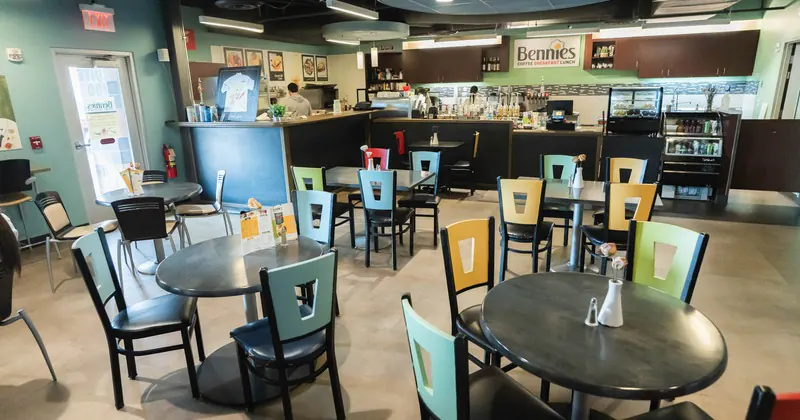
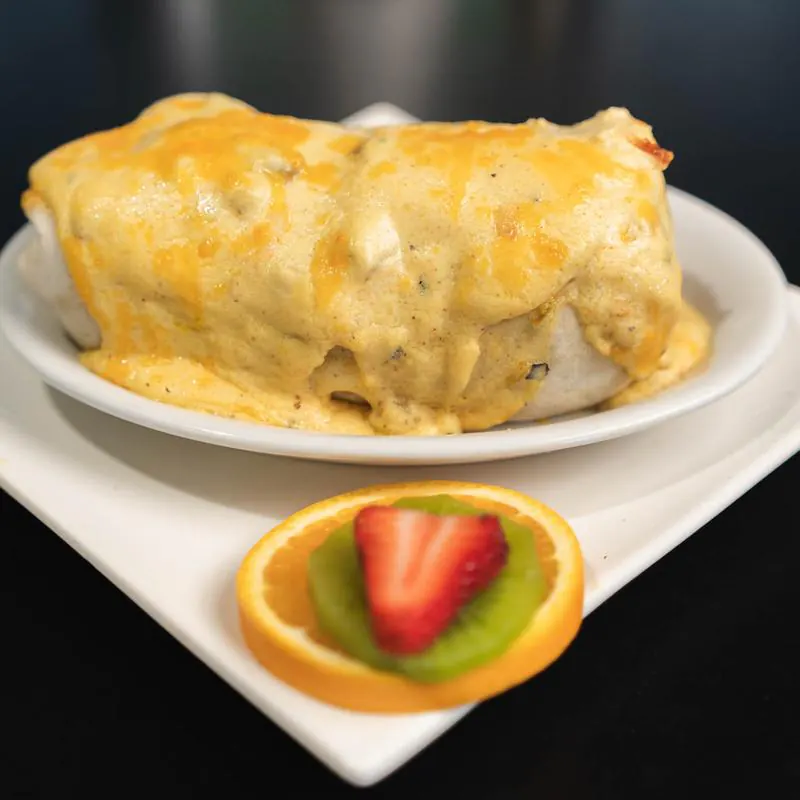
A good cafe rarely loses customers because the coffee is merely decent. It usually loses them because the brand feels forgettable, inconsistent, or invisible. In a crowded market, people do not just buy espresso, pastries, or a quiet table near the window. They buy a feeling, a routine, a place that fits into their day and reflects how they see themselves.
That is why marketing for a cafe cannot be reduced to posting latte art on Instagram and hoping for foot traffic. Strong cafe marketing is operational, local, emotional, and financial at the same time. It has to attract first-time visitors, give them a reason to return, and make the business recognizable enough that people mention it unprompted. When done well, it also protects margins. A well-positioned cafe can charge appropriately, sell more high-profit items, and recover faster from slow seasons.
Many owners resist the word "marketing" because it sounds expensive or performative. In practice, the best marketing for a cafe often starts with the basics: what people see from the sidewalk, what they smell when they walk in, how easily they understand the menu, whether the staff remembers regulars, and whether the online profile matches the in-store experience. The cafes that grow steadily usually treat marketing less like a campaign and more like a discipline.
Start with the brand people can feel
Before any ad spend, collaborations, or social posts, a cafe needs a clear identity. Not a vague mood board, but an answer to a simple question: why should someone choose this place over the five alternatives within a ten-minute walk?
That answer should show up in the room, the menu, the tone of voice, and the customer experience. A neighborhood breakfast cafe aimed at parents, remote workers, and nearby residents needs a different brand from a specialty coffee bar that targets enthusiasts who care about origin, brew method, and limited roasts. Both can succeed. Problems start when a business tries Cafe to be both at once and communicates neither clearly.
Brand strategy for a cafe is often strongest when it is narrow enough to be recognizable and broad enough to scale. For example, "thoughtful coffee and warm service for the neighborhood" gives the team a practical standard. It can influence music volume, pastry selection, staff training, packaging design, and social captions. On the other hand, trying to be "premium, affordable, playful, artisanal, family-friendly, trend-setting, and minimalist" usually results in visual clutter and confused customers.
One of the clearest signs of a healthy brand is that regulars can describe it in one sentence without sounding like they are quoting your website. If they say, "That’s the place with the really fast morning service and the cardamom buns," or "It’s the quiet cafe with the long communal table and strong filter coffee," you are building memory.
Visibility begins before the first click
Cafe owners often focus heavily on digital channels while underestimating the marketing power of the physical exterior. Yet for many locations, especially in dense neighborhoods or high-footfall streets, the storefront is the first and most repeated advertisement.
Signage should be legible from a distance and at walking speed. Windows should communicate enough without becoming visual noise. If your best products are hidden in dim lighting behind reflections and clutter, passersby will keep moving. A-frame boards can work well, but only if they say something specific. "Fresh pistachio croissants until 11" is more persuasive than "Welcome." Concrete messages create urgency and help a potential customer decide quickly.
There is also a common trade-off here. Some cafe brands want an understated, design-forward facade, while others need to maximize clarity for a broader audience. In a destination neighborhood with loyal followers, minimalism can work. In most high-street environments, subtlety is often mistaken for irrelevance. The strongest choice is the one that suits the location, not the owner’s personal taste.
Google Business Profile deserves equal attention. For local discovery, it is one of the highest-return marketing assets a cafe can maintain. Hours must be accurate, photos current, phone number correct, and categories sensible. Menus should be easy to find. Reviews should be answered like a business run by adults, not by a defensive cousin. A calm, brief response to criticism often matters more to future customers than the original complaint.
The menu is a marketing tool, not just a price list
Many cafes carry menus that accidentally suppress sales. The issue is not always the product mix. More often, it is how choices are presented. If the menu is crowded, inconsistent, or too clever, customers hesitate. Hesitation slows the queue and lowers average ticket value.
The menu should guide attention toward signature items, profitable add-ons, and products that reinforce the brand. If your cafe is known for seasonal baked goods, those should not be buried beneath generic muffins and bottled juices. If your margins depend on combinations such as coffee plus pastry or lunch plus drink, the menu should make those pairings feel natural and visible.
Language matters too. Short, vivid descriptions outperform vague adjectives. "Brown butter banana loaf" says more than "delicious homemade cake." Customers respond to specificity because it reduces uncertainty. They can imagine the product before ordering it.
There is also room for strategic restraint. An oversized menu can signal abundance, but it usually creates slower service, more waste, and weaker brand memory. A shorter, well-executed range tends to market itself more effectively because people can remember what you are known for. In my experience, cafes that trim low-performing items often see an immediate operational benefit and, within a few weeks, stronger attachment to the remaining hero products.
Social media should document real life, not stage a fantasy
For cafes, social media works best when it extends the experience people actually have. If the feed shows bright, airy calm but the room is cramped, noisy, and poorly lit, the mismatch will erode trust. Customers can forgive modest production values. They rarely forgive misrepresentation.
This is especially true on Instagram and TikTok, where food and beverage businesses often copy trends without asking whether the trend supports their positioning. The goal is not to chase every viral format. It is to create enough familiarity and desire that local customers think of your cafe at the right moment, whether that is breakfast on a weekday, a casual meeting, or an afternoon coffee walk.
Some of the most effective cafe content is surprisingly simple: baristas preparing a signature drink, a baker pulling trays from the oven, the owner explaining a seasonal item, regulars enjoying the space, or a short update about a new opening hour. These posts work because they reduce distance between the business and the customer. They feel specific, which is the opposite of generic marketing.
Consistency matters more than volume. A cafe posting three honest, useful pieces of content per week often outperforms one that posts twice daily with no point of view. Captions should sound like the business, not like a templated lifestyle brand. If your cafe is warm and neighborhood-focused, let the captions feel grounded and welcoming. If it is precise and specialty-led, clarity and expertise should show through.
The strongest local cafe accounts also understand that social media is not only for acquisition. It is a retention channel. It reminds existing customers to come back, highlights what is new, and reinforces habits. A post about a seasonal sandwich may not "go viral," but if it brings in thirty extra orders over three days, it did real work.
Local partnerships beat broad awareness when budgets are tight
Most independent cafes do not need mass exposure. They need relevance within a walkable radius. That changes the marketing strategy dramatically.
A collaboration with the right local business can outperform a wider campaign because it reaches people who are already nearby and already trusting another brand. Florists, bookstores, gyms, yoga studios, office buildings, boutique grocers, coworking spaces, and neighborhood events all offer partnership opportunities. The key is fit. A cafe known for fast takeaway breakfast may do well with a nearby fitness studio. A slower, more design-led cafe may align better with a local concept store or gallery.
Partnerships also work best when both sides gain something tangible. A simple "cross-promotion" is usually too weak to matter. Better options include a limited menu item tied to another business, shared event nights, discount cards for local staff, coffee service at neighborhood launches, or bundled experiences that make sense for both audiences.
I once saw a small cafe increase weekday traffic noticeably by working with two nearby offices and one pilates studio. The offer was not dramatic. It was a clean morning package, pre-order pickup, and a subtle but consistent reminder that the cafe respected people’s time. What made it effective was reliability. Partnerships are less about novelty than repetition.
Loyalty is built through recognition, not gimmicks
A basic stamp card still works in some settings. So does app-based loyalty. Neither is a substitute for customer recognition. The most profitable regulars are not always drawn in by discounts. Many return because the experience is easy, familiar, and slightly personal.
Staff training plays a major role here. Remembering a name, a usual order, or a seating preference is not just service, it is marketing with compounding returns. It gives the customer a reason to prefer your cafe over another place with similar pricing and product quality. That preference becomes especially valuable when competitors open nearby.
A useful loyalty strategy often has two layers. The first is transactional, such as points, stamps, or occasional offers. The second is emotional, shaped by how the cafe makes people feel over time. The transactional layer can drive frequency. The emotional layer protects the relationship when a customer misses a week, notices a small price increase, or compares alternatives.
It is worth being careful with discounts. Repeated promotions can fill quiet periods, but they can also train customers to wait for offers. For most cafes, the better path is occasional, purposeful incentives tied to behavior you want more of, such as pre-orders, afternoon visits, or trying a new product category.
Email remains underrated for cafes
Many owners assume email marketing is too formal for a cafe. That assumption leaves money on the table. Email is still one of the most controllable channels a small hospitality brand can own. Social reach changes. Search rankings fluctuate. A healthy email list gives you direct access to customers who already care enough to hear from you.
The best cafe emails are brief and specific. They announce a seasonal menu, holiday hours, an event, a new wholesale partnership, a pre-order window for special bakes, or a story that strengthens the brand. They do not need polished corporate language. They need timing, clarity, and a reason to open.
Building the list can happen quietly at the counter, through Wi-Fi sign-in, through online ordering, or through event registrations. The offer does not have to be dramatic. Sometimes "be the first to hear about seasonal bakes and pre-orders" is enough. What matters is following through with useful communication.
If your cafe runs special products that sell out, email is especially powerful. It rewards attention and creates routine. Customers learn that being on the list gives them a practical advantage, not just more inbox clutter.
Events can sharpen your identity, if they fit the space
Cafe events often fail for one reason: they are chosen for novelty instead of alignment. A crowded open mic in a tiny room that is usually known for quiet daytime work may bring one busy evening and weeks of confused expectations. A better event strategy strengthens what the cafe already is or wants to become.
For some businesses, that might mean coffee tastings, brewing workshops, pastry launches, local artist spotlights, or founder conversations with makers. For others, it could mean small business networking breakfasts or curated supper-style evenings if the kitchen allows it. The format matters less than the fit.
Events can be particularly useful during slower trading windows or in newer neighborhoods where habits are not yet fixed. They also generate content, word of mouth, and reasons to reconnect with dormant customers. Still, they should be measured against labor costs, prep load, average spend, and the risk of disrupting regular trade. A packed event that exhausts the team and displaces core customers is not always a win.
Paid marketing works when the economics are clear
Some independent cafe owners avoid paid marketing entirely. Others spend impulsively without knowing whether the numbers hold up. Both approaches can be costly.
Paid ads can work, especially for new openings, delivery radius awareness, seasonal pushes, or product-specific launches. But a cafe has to understand its customer economics first. If the average first visit is worth only a modest amount, and retention is weak, expensive acquisition rarely makes sense. On the other hand, if a good share of first-time customers become repeat visitors, even a slightly expensive initial conversion may be worthwhile.
Location-based ads tend to perform better than broad targeting. So do simple offers tied to clear intent. "Now serving from 7 a.m. On weekdays" can be more effective than a vague branding campaign because it addresses a real use case. Search ads for high-intent terms can also be worthwhile in competitive areas, particularly when paired with strong reviews and accurate business information.
For delivery platforms, paid visibility can drive orders, but it comes with margin pressure. Owners should separate gross sales excitement from actual profitability. A popular item that travels poorly or carries high packaging costs may look successful and still damage the business.
What to measure without drowning in data
Cafe marketing does not need elaborate dashboards, but it does need discipline. The right numbers help you spot what is working before you waste a month on assumptions.
A practical scorecard might include the following:
- Weekly foot traffic trends by daypart
- Average transaction value
- Repeat visit rate or loyalty redemption behavior
- Sales mix by hero products and add-ons
- Local review volume and average rating over time
These numbers are useful because they connect marketing to operations. If social engagement rises but morning footfall stays flat, the content may be entertaining without driving visits. If average ticket value rises after a menu redesign, that marketing decision created commercial value. If a partnership boosts traffic but not repeat visits, the fit may be weak.
There is also wisdom in informal observation. Which products are customers photographing without prompting? What questions do first-time visitors ask at the counter? Where does the ordering flow slow down? Which posts lead to customers mentioning them in person? Quantitative and qualitative signals should inform each other.
Common mistakes that quietly weaken a cafe brand
Some marketing problems do not look like marketing problems at first. They appear as small inconsistencies, yet together they blur the brand and limit growth.
A short diagnostic can help:
- The online photos no longer match the in-store reality
- Staff tone varies wildly from one shift to another
- The menu promotes too many low-identity items
- Promotional posts are frequent, but the brand story is unclear
- The cafe tries to appeal to everyone in the neighborhood equally
These issues are common because they emerge gradually. A new product gets added without a clear role. A weekend team develops a different service style. Social posting becomes reactive. None of this feels urgent in the moment. Over six months, it can make a once-distinct cafe feel generic.
The fix is usually not a dramatic rebrand. It is tighter alignment. Better product selection. Cleaner communication. Refreshed photography. Staff training that explains not just what to do, but why it matters to the brand.
Growth often comes from doing fewer things better
There is a temptation in cafe marketing to keep adding. More channels, more products, more campaigns, more collaborations. Sometimes growth comes from subtraction instead. The owner stops posting random content and commits to one clear style. The menu gets edited. A noisy event series is dropped in favor of one stronger monthly activation. Packaging is Cafe simplified. A single seasonal product becomes the centerpiece of an entire month’s promotion.
This kind of focus is powerful because customers notice coherence. They may not use that word, but they feel it. The cafe becomes easier to understand, easier to recommend, and easier to remember.
For independent operators, this matters more than trend-chasing. Big chains can buy attention. Small cafes win by creating preference. They become part of people’s routines, then part of how people describe their neighborhood. That is the real job of cafe marketing, not to create noise, but to build a brand that customers return to almost automatically.
When a cafe reaches that point, the marketing starts to compound. Reviews come more naturally. Regulars bring friends. Social content feels effortless because there is something real to show. New products land faster because customers already trust the brand. Growth becomes less fragile.
The strongest cafe brands are not always the loudest. They are the ones that know who they are, communicate it clearly, and deliver it consistently enough that customers start doing the marketing for them.
Bennies Cafe
17230 Jackson Creek Pkwy Ste 100, Monument, CO 80132
+1 719-445-0660
FAQ About Cafe
What is considered a café?
A café is generally an informal place to enjoy refreshments and a meal. Bennies Cafe in Monument serves breakfast and lunch in a counter-service setting, with options including eggs Benedict, sandwiches and crepes. Guests can eat in or arrange pickup.
What is the difference between a coffee shop and a café?
The terms often overlap. A coffee shop usually emphasizes coffee and other drinks, while a café may offer a broader food menu. Check the individual establishment's menu rather than relying on its name. Bennies Cafe offers coffee drinks alongside breakfast and lunch dishes.
What is the difference between café and coffee?
In everyday English, a café is a place where people buy food and drinks, while coffee is the beverage. The word café comes from the French word for coffee. Bennies Cafe serves options such as brewed coffee, espresso and lattes as part of its drinks menu.